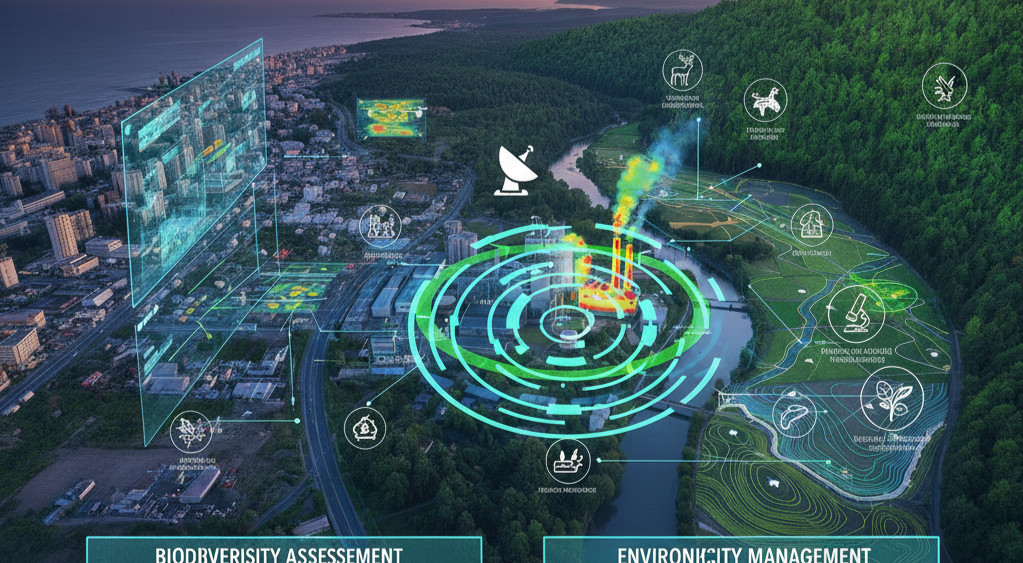
Biodiversity Assessment and Management in EIA Training Course

Biodiversity Assessment and Management in EIA Training Course

This five-day intensive training course provides a detailed and practical guide to integrating biodiversity assessment and management into the Environmental Impact Assessment (EIA) process. Participants will gain a comprehensive understanding of the conceptual foundations of biodiversity conservation, as well as the practical steps required to systematically embed biodiversity considerations into project planning and development. The course is designed to equip professionals with the knowledge and tools to identify, evaluate, and mitigate potential impacts on ecosystems and species, leading to more sustainable and nature-positive outcomes.

This training course covers a wide range of topics, including the fundamental principles of biodiversity, methodologies for conducting baseline surveys, and strategies for applying the mitigation hierarchy. We will explore key international and national legal frameworks, examine sector-specific applications, and delve into the crucial role of stakeholder engagement. The curriculum also addresses emerging trends like ecosystem services and biodiversity offsets, ensuring participants are well-prepared to apply their new skills in a real-world context.

Who should attend the training

  • EIA Practitioners and consultants
  • Environmental and social specialists
  • Ecologists and conservation professionals
  • Project managers and developers
  • Government officials in environmental and planning sectors
  • Academics and researchers

Objectives of the training

  • Understand the fundamental principles of biodiversity and its relevance to sustainable development.
  • Acquire the practical skills to conduct robust biodiversity baseline assessments.
  • Identify and evaluate project-related impacts on biodiversity and ecosystem services.
  • Develop effective recommendations for applying the mitigation hierarchy.
  • Master the art of stakeholder engagement and public participation on biodiversity issues.
  • Apply biodiversity assessment techniques to real-world case studies across various sectors.

Personal benefits

  • Enhanced professional skills and expertise in a critical and growing field
  • Improved ability to contribute to nature-positive projects
  • Increased career opportunities and marketability
  • Better understanding of the links between development and ecosystem health
  • Networking opportunities with industry peers and experts

Organizational benefits

  • Improved compliance with national and international biodiversity regulations and standards
  • Reduced project risks and costs associated with environmental non-compliance
  • Enhanced corporate social responsibility and public image
  • Improved project outcomes and minimized environmental impact
  • Increased efficiency in the project approval and implementation process

Training methodology

  • Interactive lectures and presentations
  • Group discussions and brainstorming sessions
  • Case study analysis and problem-solving exercises
  • Role-playing and simulation exercises
  • Practical sessions with hands-on application of biodiversity assessment tools
  • Question and answer sessions

Trainer Experience

Our trainers are seasoned professionals with over a decade of hands-on experience in both environmental and conservation sectors. They have led numerous successful EIA projects and biodiversity studies for private, public, and non-governmental organizations across diverse industries. Their expertise is grounded in practical application, academic rigor, and a deep understanding of the regulatory landscapes, ensuring participants receive relevant and up-to-date knowledge.

Quality statement

We are committed to delivering high-quality training that is both academically sound and practically relevant. Our courses are continuously updated to reflect the latest industry trends, best practices, and regulatory changes. We maintain small class sizes to ensure personalized attention and foster an engaging learning environment.

Tailor-made courses

In addition to our standard curriculum, we offer customized training solutions to meet the specific needs of your organization. Our experts will work with you to design a bespoke course, focusing on your industry, project types, and unique challenges. Contact us to discuss how we can create a program that delivers maximum value for your team.


Course Duration: 5 days

Training fee: USD 1300

Module 1: Introduction to Biodiversity and its Relevance in EIA

  • The concept of biodiversity: Genes, species, and ecosystems
  • The value of biodiversity to human well-being and development
  • Drivers of biodiversity loss and the role of projects
  • Why biodiversity is a key consideration in the EIA process
  • Practical session: Analyzing the biodiversity context of a proposed project site

Module 2: Biodiversity Assessment and Baseline Data Collection

  • Key steps in a biodiversity assessment
  • Methodologies for terrestrial and aquatic biodiversity surveys
  • Using technology for data collection (e.g., GPS, GIS, remote sensing)
  • Identifying and mapping critical habitats and key biodiversity areas
  • Practical session: Designing a biodiversity field survey plan

Module 3: Impact Prediction and Significance Evaluation

  • Identifying potential direct, indirect, and cumulative impacts on biodiversity
  • Predicting impacts on species and habitats
  • Evaluating the significance of impacts using established criteria
  • The concept of no net loss and net gain
  • Practical session: Conducting an impact significance evaluation for a project

Module 4: Mitigation Hierarchy and Management Planning

  • The mitigation hierarchy: Avoid, minimize, restore, and offset
  • Developing specific mitigation measures for a project
  • Creating a Biodiversity Management Plan (BMP)
  • Integrating the BMP into project-level environmental management systems
  • Practical session: Developing a mitigation and management plan for a case study

Module 5: Integrating Biodiversity into the EIA Process

  • Embedding biodiversity assessments into each stage of the EIA lifecycle
  • Aligning biodiversity reports with EIA documentation requirements
  • Managing biodiversity considerations during the environmental review process
  • Case studies of successful biodiversity-inclusive EIA
  • Practical session: Developing an integrated biodiversity-EIA work plan

Module 6: Legal and Policy Frameworks for Biodiversity

  • Overview of international biodiversity conventions (e.g., CBD, CITES, Ramsar)
  • National biodiversity legislation and regulations
  • Understanding protected areas and species laws
  • Navigating the regulatory landscape for biodiversity conservation
  • Practical session: Analyzing the legal implications of a project on protected species

Module 7: Stakeholder Engagement and Community Participation

  • The importance of engaging stakeholders in biodiversity issues
  • Identifying and engaging with indigenous peoples and local communities
  • Strategies for communicating complex ecological information
  • Addressing stakeholder concerns related to biodiversity impacts
  • Practical session: Role-playing a community consultation meeting on biodiversity impacts

Module 8: Ecosystem Services and Biodiversity Offsets

  • Introduction to the concept of ecosystem services
  • Assessing project impacts on key ecosystem services (e.g., clean water, pollination)
  • Understanding biodiversity offsets and their role in the mitigation hierarchy
  • Developing a biodiversity offset strategy and implementation plan
  • Practical session: Calculating the potential loss of an ecosystem service and designing an offset

Module 9: Biodiversity Monitoring and Auditing

  • Establishing a monitoring framework for biodiversity impacts
  • Defining key performance indicators (KPIs) for biodiversity outcomes
  • Conducting post-implementation biodiversity audits and evaluations
  • The role of adaptive management in addressing unforeseen impacts
  • Practical session: Creating a biodiversity monitoring and audit plan

Module 10: Case Studies and Future Trends

  • Review of successful global biodiversity-inclusive EIA case studies
  • Lessons learned from past projects and challenges
  • Emerging trends in biodiversity conservation and management
  • The future of biodiversity in a changing world
  • Practical session: Final project presentation and peer feedback

Requirements:

  • Participants should be reasonably proficient in English.
  • Applicants must live up to Phoenix Training Center admission criteria.

Terms and Conditions

1. Discounts: Organizations sponsoring Four Participants will have the 5th attend Free

2. What is catered for by the Course Fees: Fees cater for all requirements for the training – Learning materials, Lunches, Teas, Snacks and Certification. All participants will additionally cater for their travel and accommodation expenses, visa application, insurance, and other personal expenses.

3. Certificate Awarded: Participants are awarded Certificates of Participation at the end of the training.

4. The program content shown here is for guidance purposes only. Our continuous course improvement process may lead to changes in topics and course structure.

5. Approval of Course: Our Programs are NITA Approved. Participating organizations can therefore claim reimbursement on fees paid in accordance with NITA Rules.

Booking for Training

Simply send an email to the Training Officer on training@phoenixtrainingcenter.com and we will send you a registration form. We advise you to book early to avoid missing a seat to this training.

Or call us on +254720272325 / +254725012095 / +254724452588

Payment Options

We provide 3 payment options, choose one for your convenience, and kindly make payments at least 5 days before the Training start date to reserve your seat:

1. Groups of 5 People and Above – Cheque Payments to: Armstrong Global Training & Development Center Limited should be paid in advance, 5 days to the training.

2. Invoice: We can send a bill directly to you or your company.

3. Deposit directly into Bank Account (Account details provided upon request)

Cancellation Policy

1. Payment for all courses includes a registration fee, which is non-refundable, and equals 15% of the total sum of the course fee.

2. Participants may cancel attendance 14 days or more prior to the training commencement date.

3. No refunds will be made 14 days or less before the training commencement date. However, participants who are unable to attend may opt to attend a similar training course at a later date or send a substitute participant provided the participation criteria have been met.

Tailor Made Courses

This training course can also be customized for your institution upon request for a minimum of 5 participants. You can have it conducted at our Training Centre or at a convenient location. For further inquiries, please contact us on Tel: +254720272325 / +254725012095 / +254724452588 or Email training@phoenixtrainingcenter.com

Accommodation and Airport Transfer

Accommodation and Airport Transfer is arranged upon request and at extra cost. For reservations contact the Training Officer on Email: training@phoenixtrainingcenter.com or on Tel: +254720272325 / +254725012095 / +254724452588

Instructor-led Training Schedule

Course Dates Venue Fees Enroll
Jul 20 - Jul 24 2026 Zoom $1,300
Aug 10 - Aug 14 2026 Zoom $1,300
Sep 07 - Sep 11 2026 Zoom $1,300
Oct 12 - Oct 16 2026 Zoom $1,300
Nov 16 - Nov 20 2026 Zoom $1,300
Dec 14 - Dec 18 2026 Zoom $1,300
Jan 18 - Jan 22 2027 Zoom $1,300
Aug 10 - Aug 14 2026 Nairobi $1,500
Sep 07 - Sep 11 2026 Nairobi $1,500
Oct 12 - Oct 16 2026 Nairobi $1,500
Nov 09 - Nov 13 2026 Nairobi $1,500
Dec 14 - Dec 18 2026 Nairobi $1,500
Jan 11 - Jan 15 2027 Nairobi $1,200
Phoenix Training Center

Phoenix Training Center
Typically replies in minutes

Phoenix Training Center
Hi there 👋

We are online on WhatsApp to answer your questions.
Ask us anything!
×
Chat with Us