
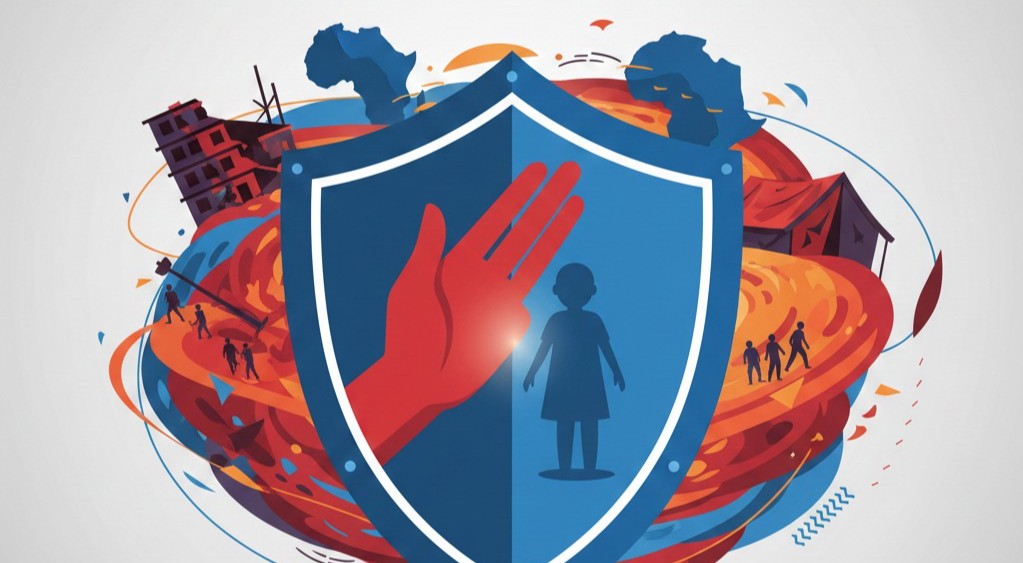
Course Overview
This intensive Child Protection in Emergencies (CPiE) training course provides humanitarian and development professionals with the specialized knowledge and practical skills required to design, implement, and manage high-quality child protection programs in complex crisis and emergency settings. The curriculum is built around the Minimum Standards for Child Protection in Humanitarian Action (CPMS), focusing on real-world application, inter-agency coordination, and comprehensive risk analysis. Participants will leave equipped to lead rapid assessments, establish effective case management and psychosocial support systems, and ensure the centrality of child protection in all phases of emergency response, from preparedness to recovery.
The 10-day training covers a broad range of critical topics, starting with foundational concepts of child protection training and human rights frameworks, before delving into the specifics of CPiE program design, including mental health and psychosocial support (MHPSS), gender-based violence (GBV) risk mitigation, family tracing and reunification (FTR), and community-based mechanisms. A significant emphasis is placed on practical skill development through simulations and case studies, ensuring participants can immediately apply learned principles to their field operations, making this an essential child protection course for senior field staff.
Upon the successful completion of this 🛡️ Advanced Professional Certification in Child Protection in Emergencies (CPiE), participants will be able to:
ü Analyze and articulate the specific risks and vulnerabilities faced by children in different types of emergencies (natural disasters, conflict, displacement).
ü Apply the Minimum Standards for Child Protection in Humanitarian Action (CPMS) to design and implement quality, rights-based child protection in emergencies training programs.
ü Conduct rapid, participatory child protection assessments to inform evidence-based response strategies.
ü Establish and manage robust case management systems, including referral pathways and safe documentation.
ü Integrate mental health and psychosocial support (MHPSS) into child protection course interventions at community and individual levels.
ü Develop strategies for the prevention and response to Gender-Based Violence (GBV) and sexual exploitation and abuse (SEA) involving children.
ü Design and manage effective family tracing and reunification (FTR) processes for unaccompanied and separated children (UASC).
ü Ensure child protection training principles are integrated into other humanitarian sectors (WASH, Health, Food Security).
Training Methodology
The course is designed to be highly interactive, challenging and stimulating. It will be an instructor led training and will be delivered using a blended learning approach comprising of:
ü Interactive Lectures and Presentations
ü Group Discussions and Debates
ü Case Studies and Real-World Scenarios
ü Simulation Exercises and Role-Playing
ü Peer-to-Peer Learning and Experience Sharing
ü Video and Multimedia Resources
ü Practical Field Assessment Simulations
ü Structured Q&A Sessions
Our facilitators are seasoned industry professionals with years of expertise in their chosen fields. All facilitation and course materials will be offered in English.
Who Should Attend?
This 🛡️ Advanced Professional Certification in Child Protection in Emergencies (CPiE) would be suitable for, but not limited to:
ü Child Protection Specialists and Coordinators
ü Humanitarian Aid Workers and Field Managers
ü Government Social Welfare Officers
ü NGO Program Managers and Directors
ü UN Agency Personnel (UNICEF, UNHCR, OCHA)
ü Monitoring, Evaluation, Accountability, and Learning (MEAL) Specialists
ü Psychosocial Support (PSS) Workers
ü Emergency Response Team Members
Personal Benefits
ü Achieve Advanced Professional Certification in a high-demand humanitarian field.
ü Enhance specialized skills in CPiE response, greatly improving career advancement potential.
ü Gain expertise in international standards and best practices, making you a more effective and compliant practitioner.
ü Develop confidence in leading and coordinating complex child protection responses under pressure.
Organizational Benefits
ü Improve the quality, accountability, and impact of their emergency response and child protection training programs.
ü Ensure compliance with global humanitarian standards (CPMS, Sphere), reducing organizational risk.
ü Enhance inter-agency coordination capacity and strengthen partnerships with UN bodies and other NGOs.
ü Increase competitiveness for funding opportunities by demonstrating commitment to specialized and effective child protection in emergencies training.
ü Course Duration: 10 Days
ü Training Fee:
o Physical Training: USD 3,000
o Online / Virtual Training: USD 2,500
Module 1: Foundation and Frameworks of Child Protection
ü Defining Child Protection: Concepts, Principles, and Scope
ü Understanding the Causes and Consequences of Child Maltreatment
ü The Life-Course Approach to Child Vulnerability
ü The Child Rights Approach: UN Convention on the Rights of the Child (CRC)
ü Practical Session: Developing a Personal Ethical Framework for Child Protection
Module 2: The Child Protection in Emergencies (CPiE) Context
ü Typologies of Emergencies (Conflict, Natural Disaster, Health Crisis) and their Impact on Children
ü Increased Risks and Vulnerabilities of Children in Crisis Settings
ü The CPiE Program Cycle: From Preparedness to Recovery
ü Inter-Agency Coordination Mechanisms in Emergencies (e.g., Protection Cluster)
ü Practical Session: Emergency Scenario Analysis: Identifying Key CPiE Challenges in a Simulated Crisis
Module 3: International and Legal Frameworks for CPiE
ü International Humanitarian Law (IHL) and Child Protection
ü International Human Rights Law (IHRL) and CPiE Mandates
ü The Paris Principles and Guidelines on Children Associated with Armed Forces or Armed Groups (CAAFAG)
ü The UN Security Council Resolutions on Children and Armed Conflict
ü Practical Session: Analyzing a Humanitarian Crisis Against IHL/IHRL Obligations
Module 4: The Minimum Standards for Child Protection in Humanitarian Action (CPMS)
ü Introduction to the CPMS: Purpose, Scope, and Use
ü Standard 1-3: Core Principles and Cross-Cutting Issues
ü Standard 4-13: Specific Child Protection Issues (UASC, CAAFAG, GBV)
ü Standard 14-26: Programmatic Standards (Coordination, MEAL)
ü Practical Session: CPMS Compliance Check: Auditing a Fictional CPiE Program Against Key Standards
Module 5: CPiE Assessment, Analysis, and Strategy Development
ü Rapid Child Protection Assessment (RCPA) Tools and Techniques
ü Safety and Ethical Considerations in Data Collection with Children
ü Analyzing Data to Identify Priorities and Needs
ü Developing Evidence-Based CPiE Response Strategies and Action Plans
ü Practical Session: Conducting a Simulated RCPA in a Mock Displacement Camp
Module 6: Case Management and Referral Pathways in Emergencies
ü Principles and Functions of Child Protection Case Management (CPCM)
ü The Five Steps of CPCM (Identify, Assess, Plan, Implement, Monitor/Review, Close)
ü Developing Safe, Confidential, and Functional Referral Pathways
ü Managing Complex and High-Risk Cases in Crisis Settings
ü Practical Session: Role-Play: Initial Assessment and Case Planning for a High-Risk Child
Module 7: Mental Health and Psychosocial Support (MHPSS) in CPiE
ü The IASC MHPSS Intervention Pyramid in Emergencies
ü Integrating Psychosocial Support (PSS) into Community-Based Programs
ü Specialized MHPSS Interventions for Traumatized Children
ü Staff Care and Burnout Prevention for CPiE Teams
ü Practical Session: Designing a Safe and Appropriate PSS Activity for Children in a Transitional Setting
Module 8: Family Tracing and Reunification (FTR) for Unaccompanied and Separated Children (UASC)
ü Definitions and Principles of FTR in Humanitarian Action
ü Best Interests Determination (BID) and Best Interests Assessment (BIA)
ü Inter-Agency FTR Coordination and Data Management (e.g., CPIMS+)
ü Preventing Secondary Separation and Ensuring Safe Reintegration
ü Practical Session: Developing an FTR Action Plan for a Group of Unaccompanied Minors
Module 9: Prevention and Response to Gender-Based Violence (GBV) in CPiE
ü Understanding the Intersection of Child Protection and GBV
ü Risk Mitigation Strategies Across All Humanitarian Sectors
ü Responding to Child Survivors of GBV: Survivor-Centred Approach
ü The Role of Men and Boys in GBV Prevention
ü Practical Session: Rapid Risk Assessment for GBV in a New Emergency Site
Module 10: Protection from Sexual Exploitation and Abuse (PSEA)
ü Understanding PSEA and the Humanitarian Accountability Framework
ü Developing and Implementing an Organizational PSEA Policy
ü Safe Recruitment and Codes of Conduct for Staff and Volunteers
ü Establishing Confidential and Accessible Reporting and Response Mechanisms
ü Practical Session: Drafting Key PSEA Messages for Community Awareness and Reporting
Module 11: Community-Based Child Protection Mechanisms (CBCPM)
ü Principles and Benefits of CBCPMs
ü Mapping and Strengthening Existing Community Structures and Resources
ü Facilitating the Establishment and Functioning of CBCPMs
ü Ensuring CBCPMs are Linked to Formal Protection Systems
ü Practical Session: Developing a Community Engagement Strategy for Establishing a CBCPM
Module 12: Child Participation and Accountability to Affected Populations (AAP)
ü The Right to Participation: Levels and Ethical Considerations
ü Safe and Meaningful Participation of Children in Program Design and Evaluation
ü Mechanisms for Accountability to Affected Children and Caregivers (AAP)
ü Setting up Accessible and Responsive Feedback and Complaints Mechanisms
ü Practical Session: Designing a Child-Friendly Feedback Mechanism
Module 13: Integrating Child Protection Across Humanitarian Sectors
ü CPiE Integration with WASH (Water, Sanitation, and Hygiene)
ü CPiE Integration with Education in Emergencies (EiE)
ü CPiE Integration with Health and Nutrition Programs
ü CPiE Integration with Shelter and Non-Food Item (NFI) Distribution
ü Practical Session: Cross-Sectoral Analysis: Identifying CPiE Risks in a Fictional Health Clinic
Module 14: Human Resources and Capacity Building for CPiE Teams
ü Recruiting and Vetting Child Protection Staff
ü Developing Competency Frameworks and Training Plans for CPiE Teams
ü Supervision, Mentorship, and Performance Management in the Field
ü Managing Stress and Preventing Burnout for Field Staff
ü Practical Session: Developing a Job Description and Vetting Checklist for a CPiE Officer
Module 15: Information Management and Data Protection in CPiE
ü Principles of Ethical and Safe Data Collection and Sharing in CPiE
ü Introduction to Child Protection Information Management System (CPIMS+)
ü Data Security, Confidentiality, and the Risk of Doing Harm (Do No Harm Principle)
ü Protocols for Information Sharing between Agencies and Governments
ü Practical Session: Scenario-Based Exercise on Managing Confidential Case Management Data
Module 16: Monitoring, Evaluation, Accountability, and Learning (MEAL) in CPiE
ü Designing CPiE Program Logframes and Indicators (Output, Outcome, Impact)
ü Monitoring Frameworks and Tools for CPiE Programs
ü Conducting Outcome Evaluations and Impact Assessments
ü Integrating Learning into the CPiE Program Cycle
ü Practical Session: Developing a CPiE Logframe and Selecting Appropriate CPMS Indicators
Module 17: Advocacy and Resource Mobilization for Child Protection
ü Developing a CPiE Advocacy Strategy: Targets, Messages, and Tools
ü Advocacy for Child Protection Policy and System Reform
ü Grant Writing and Proposal Development for Child Protection Funding
ü Engaging Donors and Securing Long-Term CPiE Resources
ü Practical Session: Drafting an Advocacy Brief on a Key Child Protection Concern
Module 18: Preparedness, Transition, and Recovery in CPiE
ü Contingency Planning and Preparedness Actions for Child Protection
ü Transitioning from Emergency Response to Long-Term Development Programming
ü Strengthening National Child Protection Systems in Recovery Phase
ü Exit Strategies and Sustainable Capacity Transfer
ü Practical Session: Developing a CPiE Preparedness Checklist for a High-Risk Region
About Our Trainers
Our trainers are seasoned Child Protection in Emergencies experts with over a decade of field experience managing and coordinating complex humanitarian responses across various contexts globally, including extensive work in Africa, the Middle East, and Asia. They possess specialized expertise in the Minimum Standards for Child Protection in Humanitarian Action (CPMS), Case Management, MHPSS, and FTR. Each lead instructor holds advanced degrees in fields such as International Law, Social Work, or Humanitarian Studies, and maintains active membership in international Child Protection working groups, ensuring the course content is current, practical, and grounded in best practices.
Quality Statement
Phoenix Center for Policy, Research and Training is committed to delivering high-quality, impactful professional development. Our programs are designed by practitioners for practitioners, adhering to rigorous standards of pedagogical excellence and technical accuracy. The program content shown here is for guidance purposes only. Our continuous course improvement process may lead to changes in topics and course structure to ensure maximum relevance and responsiveness to evolving humanitarian standards and real-world challenges.
Tailor-Made Courses
We understand that every organization has unique challenges and opportunities as well as unique training needs. Phoenix Training Center offers tailor-made courses designed to address specific requirements and challenges faced by your team or organization. Whether you need a customized curriculum, a specific duration, or on-site delivery, we can adapt our expertise to provide a training solution that perfectly aligns with your objectives.
We can customize this Course to focus on your industry, specific risk profile (e.g., conflict, drought, urban displacement), or internal stakeholder dynamics. Contact us to discuss how we can create a bespoke training program that maximizes value and impact for your team. For further inquiries, please contact us on Tel: +254720272325 / +254737296202 or Email training@phoenixtrainingcenter.com
Admission Criteria
ü Participants should be reasonably proficient in English.
ü Applicants must live up to Phoenix Center for Policy, Research and Training admission criteria.
Terms and Conditions
ü Discounts: Organizations sponsoring Four Participants will have the 5th attend Free.
ü What is catered for by the Course Fees: Fees cater for all requirements for the training – Learning materials, Lunches, Teas, Snacks and Certification. All participants will additionally cater for their travel and accommodation expenses, visa application, insurance, and other personal expenses.
ü Certificate Awarded: Participants are awarded Certificates of Completion at the end of the training.
ü Approval of Course: Our Programs are NITA Approved. Participating organizations can therefore claim reimbursement on fees paid in accordance with NITA Rules.
Cancellation Policy
ü Payment for all courses includes a registration fee, which is non-refundable, and equals 15% of the total sum of the course fee.
ü Participants may cancel attendance 14 days or more prior to the training commencement date.
ü No refunds will be made 14 days or less before the training commencement date. However, participants who are unable to attend may opt to attend a similar training course at a later date or send a substitute participant provided the participation criteria have been met.
Booking for Training
Simply send an email to the Training Officer on training@phoenixtrainingcenter.com
and we will send you a registration form. We advise you to book early to avoid missing a seat to this training. Or call us on +254720272325 / +254737296202
Payment Options
We provide 3 payment options, choose one for your convenience, and kindly make payments at least 5 days before the Training start date to reserve your seat:
ü Groups of 5 People and Above – Cheque Payments to: Phoenix Center for Policy, Research and Training Limited should be paid in advance, 5 days to the training.
ü Invoice: We can send a bill directly to you or your company.
ü Deposit directly into Bank Account (Account details provided upon request)
Accommodation and Airport Transfer
For physical training attendees, we can assist with recommendations for accommodation near the training venue. Airport pick-up services can also be arranged upon request to ensure a smooth arrival. Please inform us of your travel details in advance if you require these services. For reservations contact the Training Officer on Email: training@phoenixtrainingcenter.com or on Tel: +254720272325 / +254737296202
| Course Dates | Venue | Fees | Enroll |
|---|---|---|---|
| Oct 05 - Oct 16 2026 | Mombasa | $3,000 |
|
| Oct 26 - Nov 06 2026 | Nairobi | $3,000 |
|
| Nov 16 - Nov 27 2026 | Eldoret | $3,000 |
|
| Dec 07 - Dec 18 2026 | Nairobi | $3,000 |
|
| Dec 28 - Jan 08 2027 | Nairobi | $3,000 |
|

Phoenix Training Center
Typically replies in minutes